
Fields in Boyle Tax Records
Valuation and collection sit in different hands in Boyle County. The PVA sets fair market value each January 1 and lists the assessment owner. The sheriff then bills for the current cycle. Cities, schools, and other taxing jurisdictions add their own portions to the total.
| Field | What It Shows | Where |
|---|---|---|
| Owner of Record | Name on the assessment roll for that cycle | Boyle PVA |
| Assessed value | January 1 fair-market-value assessment | Boyle PVA |
| Exemption | Homestead, disability, or other applied status | Boyle PVA |
| Taxing jurisdictions | County, city, school, or other bill components | Tax bill |
| Balance and status | Charges, discount or penalty stage, and payment | Sheriff / Properly Taxes |
| Delinquency certificate | Transferred unpaid bill and lien process | County Clerk |
An exemption lowers taxable treatment. It leaves the full fair-market assessment untouched. A recorded deed proves a sale happened, but it does not set the value the current tax cycle uses.
Boyle PVA Sets January Value
Kentsylvania's assessment clock starts each year on January 1. On that date, the Boyle County PVA values real property at fair market value. Fair market value, in the office's own framing, is what a willing buyer and willing seller would settle on under ordinary conditions. Depending on the property type and the evidence at hand, the PVA may lean on a market approach, a cost approach, or an income approach. Each of those paths can reach the number.
Parcels get a physical review on a four-year cycle. That cycle is not a cap. The common idea that assessments can only rise four percent confuses HB 44 with the valuation of a single parcel. HB 44 limits countywide revenue growth. Boyle County property records reflect whatever the evidence supports. A parcel's condition, its use, fresh market data, or a simple correction can all move the assessment up or down.
Note: The January 1 date explains why a later closing may not change the owner name on the same year's bill.
Boyle PVA Search Tiers
The PVA links a Schneider Beacon Property Search. Basic owner access is free. A subscription unlocks transfer history, photographs, improvement characteristics, property class, tax information, and sale-search filters. The live application sits behind a payment gate, so the exact field requirements and result labels are not published.
| Search item | What to use | Access detail |
|---|---|---|
| Owner name | Exact tax-roll person or entity | Basic ownership search is free |
| Property address | Situs street location | Format rules not exposed |
| Parcel/map number | Identifier copied from the parcel card | Useful for tax and GIS cross-checks |
| Sale filters | Date, price, acreage, age, and sale type | Subscription feature |
Save the assessment year along with the value. A current screen can change, but a saved bill or certified record fixes what was shown for a given cycle.
Look Up a Boyle Tax Bill
The Boyle Sheriff's Office links the Properly Taxes lookup. Its search tips point to bill or map details and name or address clues. Owner names can appear in a different order. Mailing addresses often differ from situs addresses. The parcel number is the safest cross-check. The official sheriff route opens with the public tax-bill entry screen.
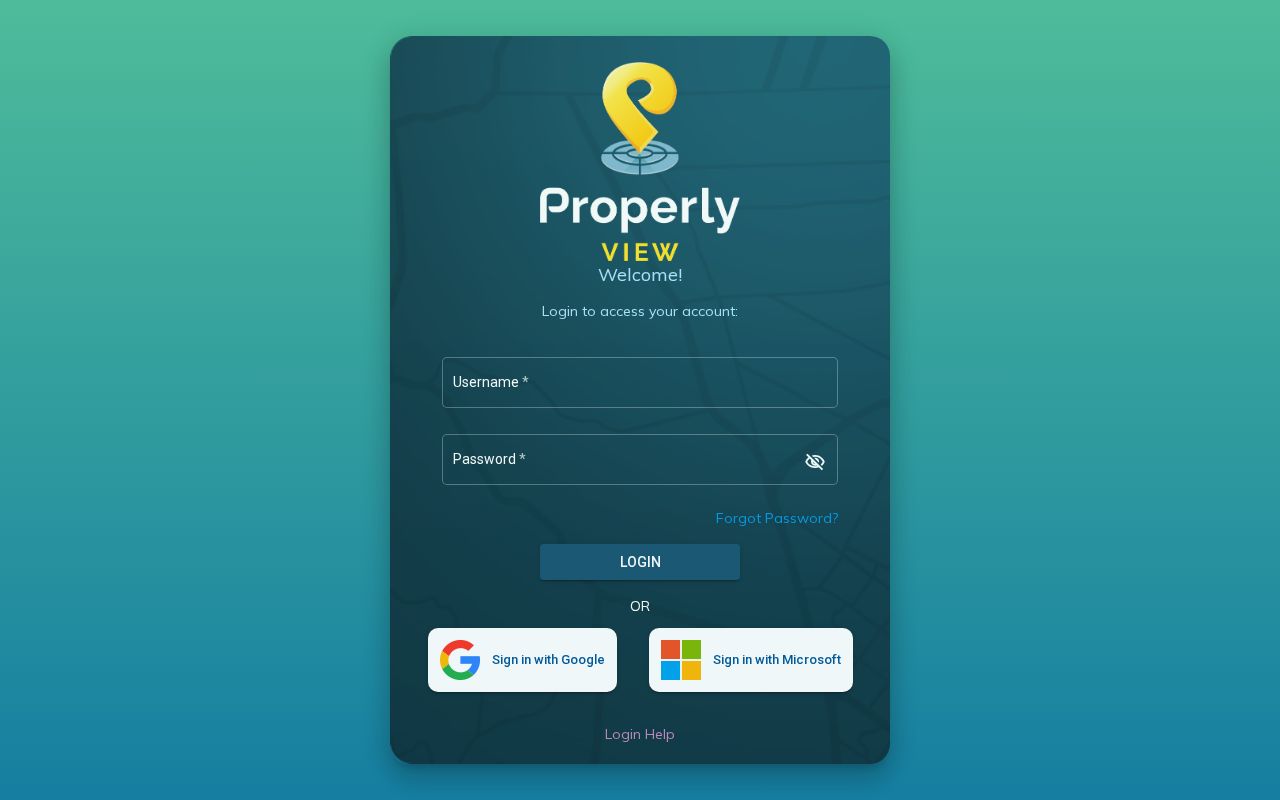
That entry screen shows the starting point rather than a parcel result. A live search still needs an identifying record key from the user.
- Find the parcel and assessment owner through the PVA.
- Open the sheriff-linked bill system and search with the parcel, bill, owner, or street data available.
- Confirm the tax year, map number, taxing jurisdictions, amount, and payment status.
- Compare exemptions against the PVA record rather than assuming one from a low bill.
- If the bill is past the sheriff stage, check the County Clerk's delinquent-tax route and request a current payoff.
- Assessed value
- The PVA's fair-market-value assessment for the tax date.
- Levy or rate
- The rate applied by a taxing jurisdiction to the tax base.
- Homestead exemption
- Relief for a qualifying owner-occupied home under Kentucky rules.
- Tax lien
- A legal claim tied to unpaid property tax.
Boyle Discounts and Penalties
The published 2025-26 Boyle cycle gave taxpayers a 2 percent discount through November 30. Face amount ran through December 31. A 5 percent penalty applied through January 31. A 21 percent penalty then applied through April 15. Those dates sketch the local collection sequence. Check a later year's bill for its own calendar.
After April 15, unpaid bills move from the sheriff to the County Clerk. They become certificates of delinquency. Kentucky DOR cites 1 percent monthly interest. It also notes a possible 10 percent clerk fee and a 20 percent county-attorney fee. State guidance calls for notices by May 15 and June 15. Third-party sales then run roughly mid-July through late October. Boyle's current notice controls the actual dates and totals.
Boyle Delinquent Tax Records
The Clerk delinquent-tax page links the list and the local process. A delinquent record can list the owner. It can also show the address, parcel, bill, amount, and sale or notice date. Treat a posted list with care. The name on an older list may be stale. A listed amount may already be paid. So request a payoff instead of assuming the list is live.
A 2020 Boyle notice described a 2021 sale. It also covered 1 percent monthly interest, restricted payment methods, and a warning that owners and payments can change. It stands only as historical evidence of procedure. A certificate of delinquency is a tax lien, not a deed. A third-party purchase also does not instantly change ownership on the current PVA card.
Boyle Homestead Record Fields
The PVA supplies exemption forms and guidance. Kentucky homestead relief generally depends on qualifying age or total disability, ownership, and use as the person's primary residence. The application asks for facts supporting eligibility. Never infer exemption status from age, mailing address, or a bill amount. Read the PVA field and confirm with the office.
An exemption changes the taxable calculation only. It does not rewrite the recorded deed or settle a disputed ownership interest. After a sale, compare the exemption year and owner field against the latest Clerk deed. A former owner's status may say nothing about the buyer.
Keep the exemption application separate from the public bill. Supporting medical, identity, or eligibility documents may face access limits even when the resulting exemption field is visible. Ask the PVA what may be inspected. The public status is not permission to seek private proof.
Challenge a Boyle Assessment
Start with the PVA's appeals process. A conference comes first, held during the yearly tax-roll inspection window. Come prepared with real value evidence. Recent arm's-length sales, photos, measurements, condition documents, repair estimates, or a full appraisal all count. Simply disputing the final bill is not enough. A high bill does not by itself prove the assessor made a mistake.
A conference can end without agreement. The taxpayer can then take the case to the local board through the county clerk's appeal procedure. The deadlines shift each year. Check the current notice and form. Keep proof that both the conference and the appeal happened on time.
Appeal window. Boyle assessment challenges must follow the current tax-roll inspection and conference calendar. Confirm that year's dates with the PVA and County Clerk before filing.
New Boyle Deeds and Old Bills
Timing explains most new-name confusion. A deed recorded after January 1 can be newer than both the assessment owner and the current bill, and that gap is normal rather than a sign of error. The deed names the recorded grantee. The property tax record, meanwhile, reflects whichever tax-year process produced it.
After a recent purchase, note three dates: the deed's recording date, the PVA assessment date, and the bill year. Ask the PVA when its owner field updates. Ask the sheriff which bill is still due. For help sorting assessed, market, and sale figures, the Boyle County property value page explains each one.
Closing papers may prorate taxes between buyer and seller. That private math never replaces the county's official balance. Verify the bill through the sheriff or Clerk, and verify ownership through the deed records. If a name mismatch still stands, hand both offices the instrument number, parcel number, and recording date, and each can explain its own update schedule. Keep the written reply on file with the bill and deed for that parcel and tax year.